
Описание товара
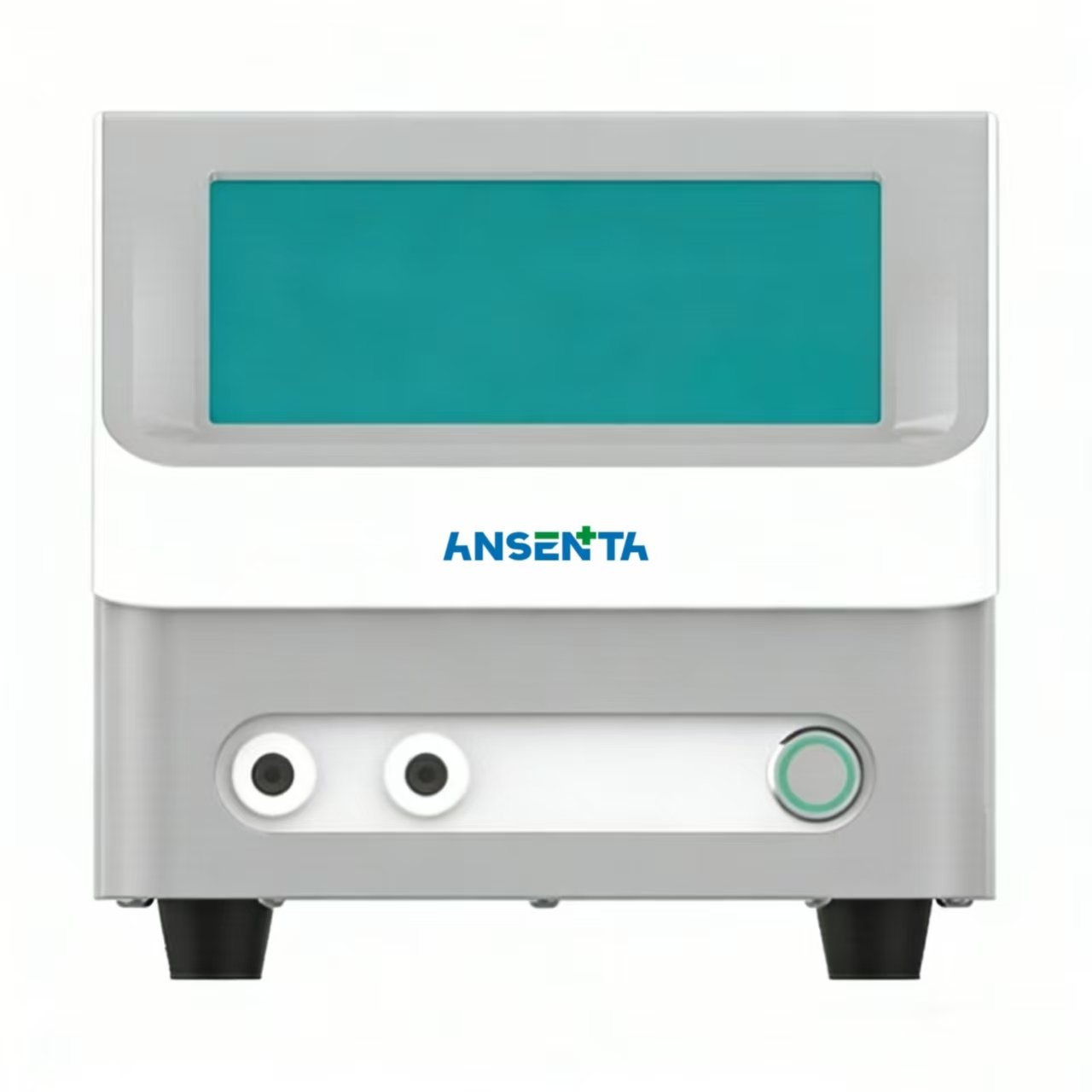
Генный электропоратор GP-3000 состоит из основного блока, чашки для генной электропорации и специальных соединительных кабелей. В основном электропорация используется для введения ДНК в компетентные клетки, клетки растений и животных, а также дрожжевые клетки. По сравнению с другими методами, электропорация генов обеспечивает высокую воспроизводимость, высокую эффективность, простоту в эксплуатации и точный контроль. Кроме того, электропорация не обладает генотоксичностью, что делает ее незаменимым методом в молекулярной биологии.
Принцип работы
Электропорация клеток (также называемая клеточной электропорацией) — важный метод введения в клетки экзогенных макромолекул, таких как ДНК, РНК, siRNA, белки и низкомолекулярные соединения.
Под воздействием сильного кратковременного электрического поля клеточная мембрана в растворе становится проницаемой, что позволяет заряженным экзогенным веществам проникать через клеточную мембрану по принципу, аналогичному электрофорезу. Из-за высокого сопротивления фосфолипидного бислоя клеточной мембраны напряжение, создаваемое внешним электрическим полем, принимает на себя клеточная мембрана, при этом в цитоплазму попадает минимальное напряжение, что приводит к пренебрежимо малому внутриклеточному току и низкой цитотоксичности во время электропорации. После того как ДНК или другие вещества проникают через клеточную мембрану, они остаются вблизи мембраны, а их последующая диффузия в ядро или другие части клетки осуществляется с помощью собственных механизмов клетки.
Поскольку электропорация является физическим методом, молекулярные свойства поверхности клетки практически не влияют на этот процесс. По сравнению с химическими методами трансфекции или трансфекцией с использованием вирусных векторов, электропорация может применяться ко всем типам клеток и легко поддается количественной оценке.
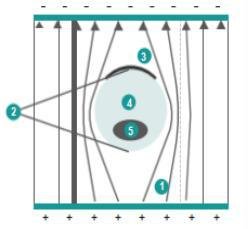
Электропорация клеток Диаграмма электрического поля
1. Клеточная мембрана ведет себя как изолятор, что приводит к искажению тока в растворе для электропорации вблизи клетки.
2 В последовательном соединении чем больше сопротивление, тем выше напряжение; большая часть напряжения приходится на мембрану клетки на обоих концах.
3 Только один конец клетки подвергается эффективной электропорации.
4 Напряжение, распространяющееся в цитоплазму, очень невелико; после электропорации ДНК останавливается у мембраны, и её дальнейшая диффузия происходит за счёт естественных механизмов клетки.
5 Напряжение на концах ядра крайне мало, и это небольшое напряжение удерживается ядерной мембраной, в результате чего внутреннее пространство ядра остается полностью без напряжения, что исключает генотоксичность во время электропорации.
Характеристики товара
Высокая эффективность: короткое время трансформации, высокий коэффициент преобразования, превосходная воспроизводимость.
Интеллектуальное хранение данных. Пользователи могут сохранять экспериментальные параметры и легко их извлекать
Точное управление. Разобщение импульсов осуществляется с помощью микропроцессора.
Эстетичный дизайн: гармоничное сочетание элементов, интуитивно понятный дисплей и простота в использовании.
Области применения
· Электропорация бактерий, дрожжей и других микроорганизмов.
· Трансфекция клеток млекопитающих, растительных тканей и протопластов.
· Гибридизация клеток и слияние генов.
· Внедрение маркерных генов для маркировки и индикации.
· Введение лекарственных препаратов, белков, антител и других молекул для изучения структуры и функций клеток.
Технические параметры
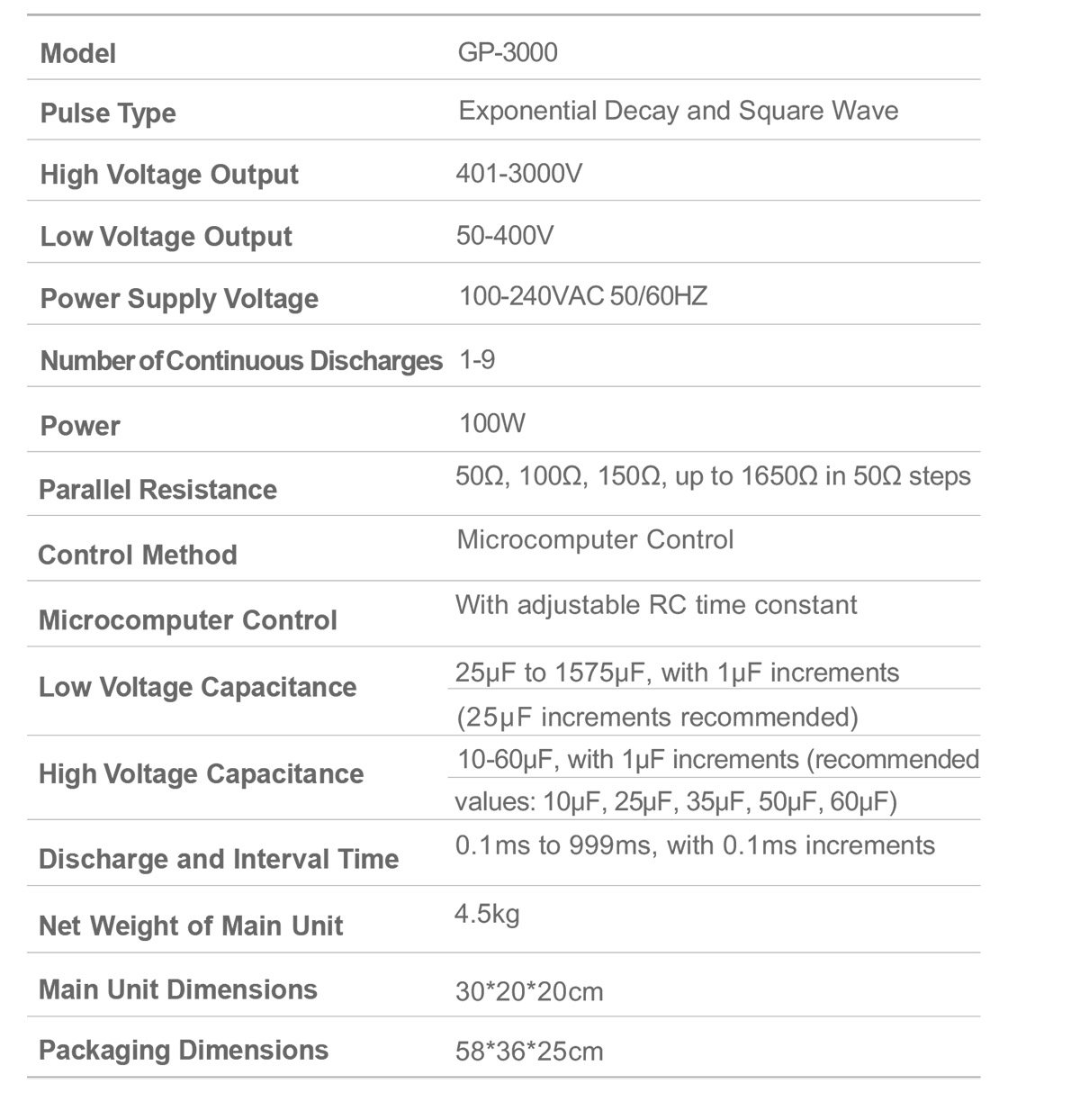
Коэффициенты конверсии для разных сортов
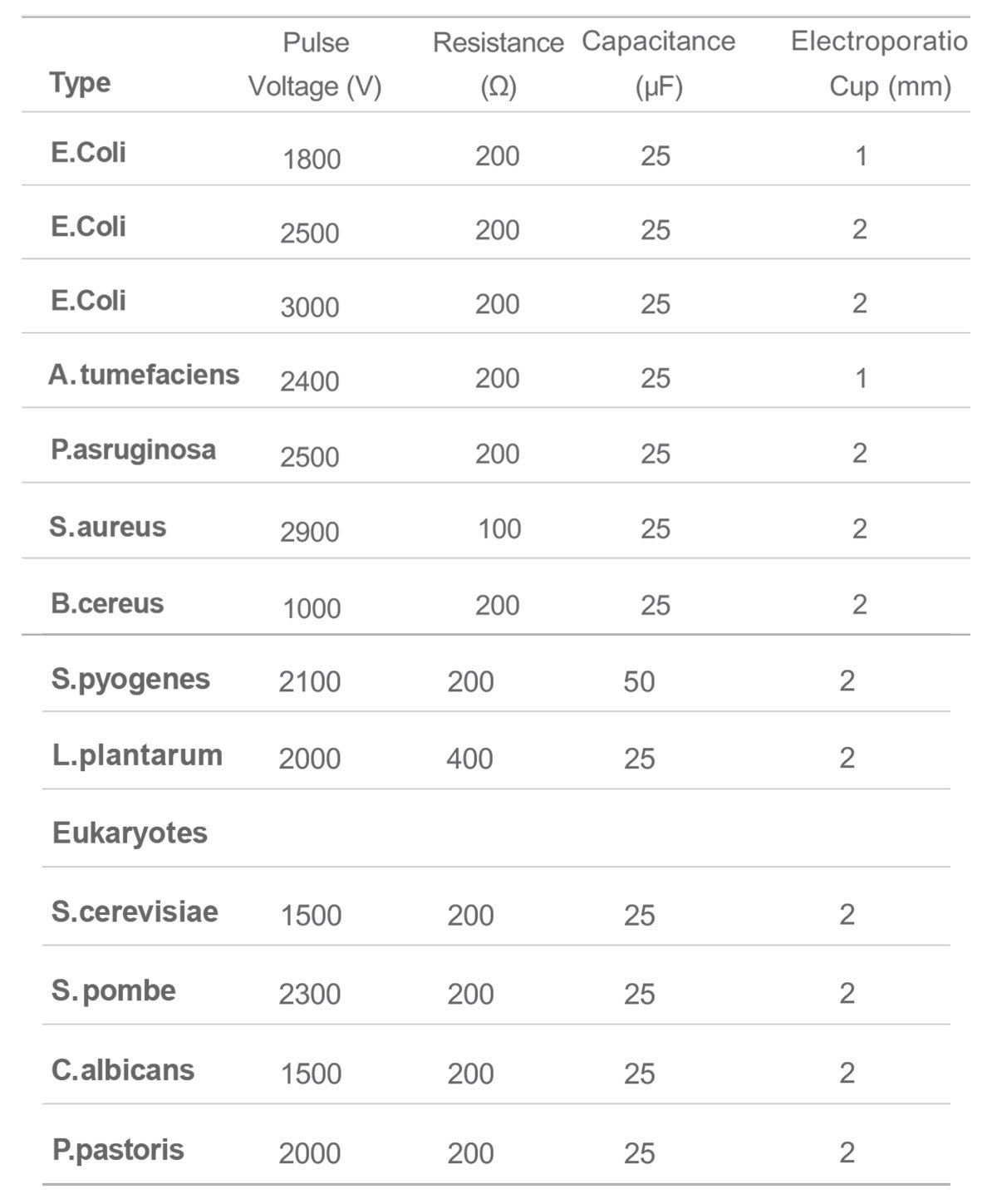
Примечание: В связи с различиями в экспериментальных условиях в разных лабораториях, приведенные выше параметры являются справочными.
Примеры экспериментов
1. LIJ, ZHANG S, GAO L и др. Клеточный высокопроизводительный анализ для скрининга низкомолекулярных ингибиторов взаимодействия p53-MDM2 [Ж]. Journal of biomolecular screening, 2011.
2、ZHANG SY, LIJ, XIE X. Открытие и характеристика новых малых молекул-агонистов рецептора 119, связанного с белками G [J]. Acta pharmacologica Sinica, 2014.
