
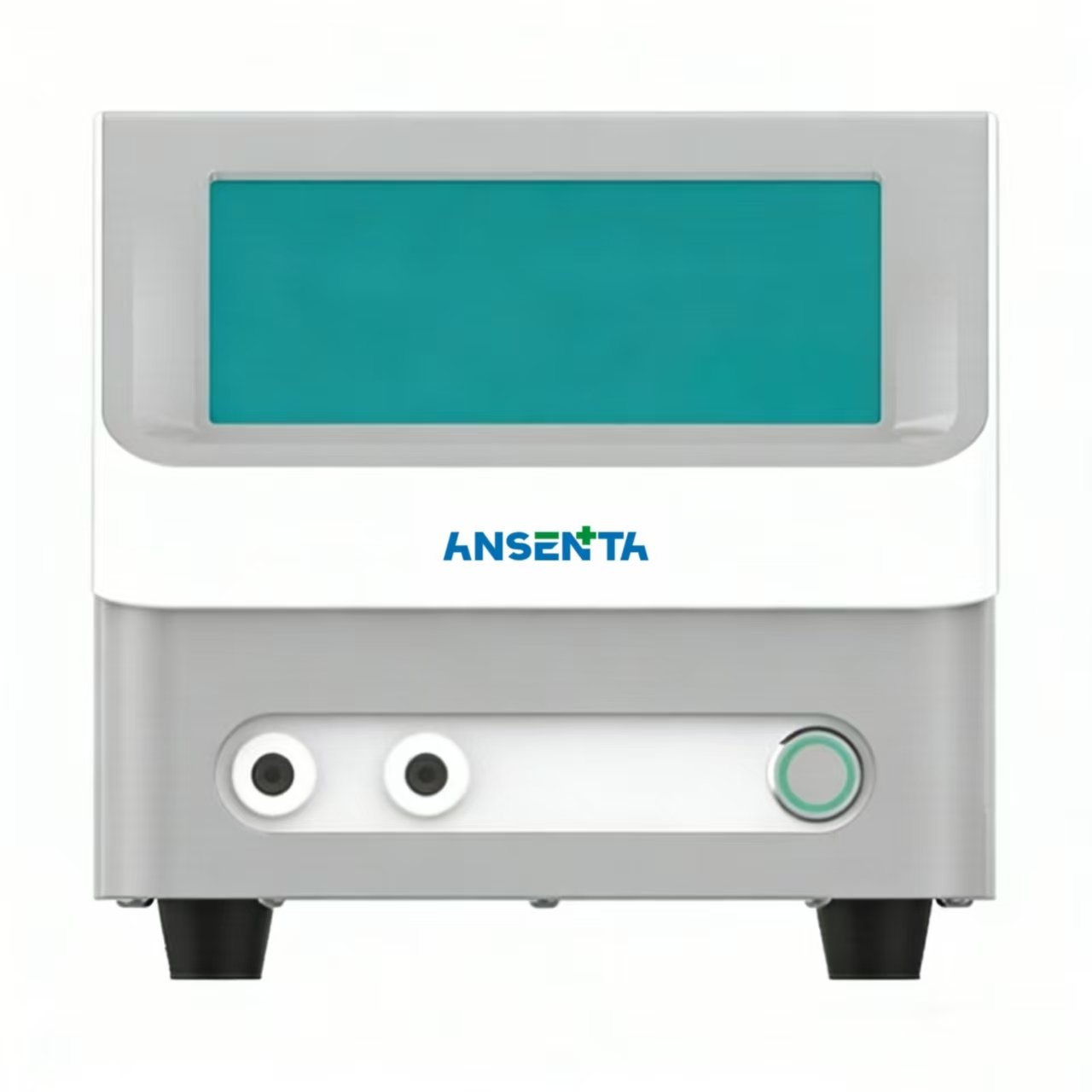
Descrição do produto
O electroporador de genes GP-3000 consiste na unidade principal, copo de electroporação de genes e cabos de ligação dedicados. Utiliza principalmente a electroporação para introduzir ADN em células competentes, células vegetais e animais e células de levedura. Em comparação com outros métodos, o electroporador de genes oferece alta repetibilidade, alta eficiência, facilidade de operação e controlo preciso. Além disso, a electroporação não tem genotoxicidade, tornando-a uma técnica essencial em biologia molecular.
Princípio de funcionamento
A eletroporação celular (também designada por eletroporação de células) é um método importante para introduzir macromoléculas exógenas, tais como ADN, ARN, siRNA, proteínas e moléculas pequenas, nas células.
Sob a influência de um campo elétrico forte e momentâneo, a membrana celular na solução torna-se permeável, permitindo que substâncias exógenas carregadas entrem na célula de forma semelhante à eletroforese. Devido à elevada resistência da bicamada fosfolipídica da membrana celular, a tensão produzida pelo campo elétrico externo é suportada pela membrana celular, com uma tensão mínima distribuída pelo citoplasma, o que resulta numa corrente intracelular insignificante e numa baixa citotoxicidade durante a eletroporação. Depois de o ADN ou outras substâncias entrarem na membrana celular, permanecem perto da membrana, sendo a subsequente difusão para o núcleo ou outras partes facilitada pelos mecanismos da célula.
Uma vez que a eletroporação é um método físico, as propriedades moleculares da superfície celular têm pouco efeito no processo. Em comparação com os métodos de transfecção química ou com a transfecção por vetores virais, a eletroporação pode ser aplicada a todos os tipos de células e é fácil de quantificar.
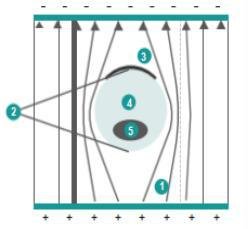
Diagrama do campo elétrico da electroporação celular
1 A membrana celular comporta-se como um isolante, provocando uma distorção da corrente no fluido de eletroporação próximo da célula.
2 Num circuito em série, quanto maior for a resistência, maior será a tensão; a maior parte da tensão é suportada pela membrana celular em ambas as extremidades.
3 Apenas uma extremidade da célula é effectivamente electroporada.
4 A tensão distribuída pelo citoplasma é muito reduzida; o ADN fica retido na membrana após a eletroporação, e a sua difusão subsequente é impulsionada pelos mecanismos naturais da célula.
5 A tensão em ambas as extremidades do núcleo é extremamente reduzida, e essa pequena tensão é suportada pela membrana nuclear, deixando o interior do núcleo completamente isento de tensão, o que elimina a genotoxicidade durante a eletroporação.
Caraterísticas do produto
Alta eficiência: tempo de transformação curto, elevada taxa de conversão, excelente repetibilidade.
Armazenamento inteligente: os parâmetros experimentais podem ser guardados e facilmente recuperados pelos utilizadores
Controlo preciso: a descarga de impulsos é controlada por um microprocessador.
Design estético: design integrado, ecrã intuitivo e fácil utilização.

Áreas de aplicação
· Eletroporação de bactérias, leveduras e outros microrganismos.
· Transfecção de células de mamíferos, tecidos vegetais e protoplastos.
· Hibridização celular e fusão génica.
· Introdução de genes marcadores para fins de marcação e identificação.
· Introdução de fármacos, proteínas, anticorpos e outras moléculas para o estudo da estrutura e função celular.
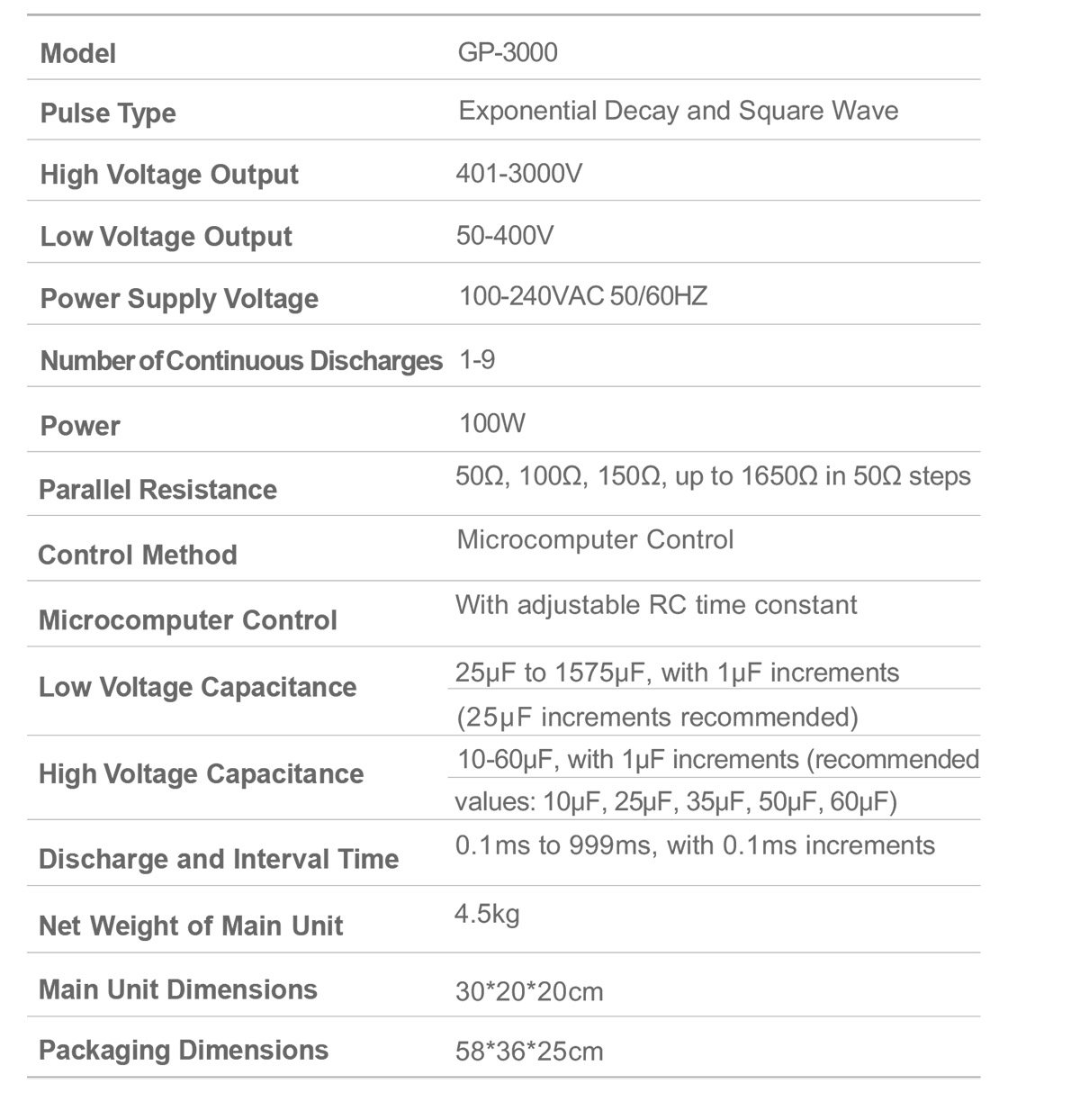
Parâmetros técnicos
Taxas de conversão para diferentes estirpes
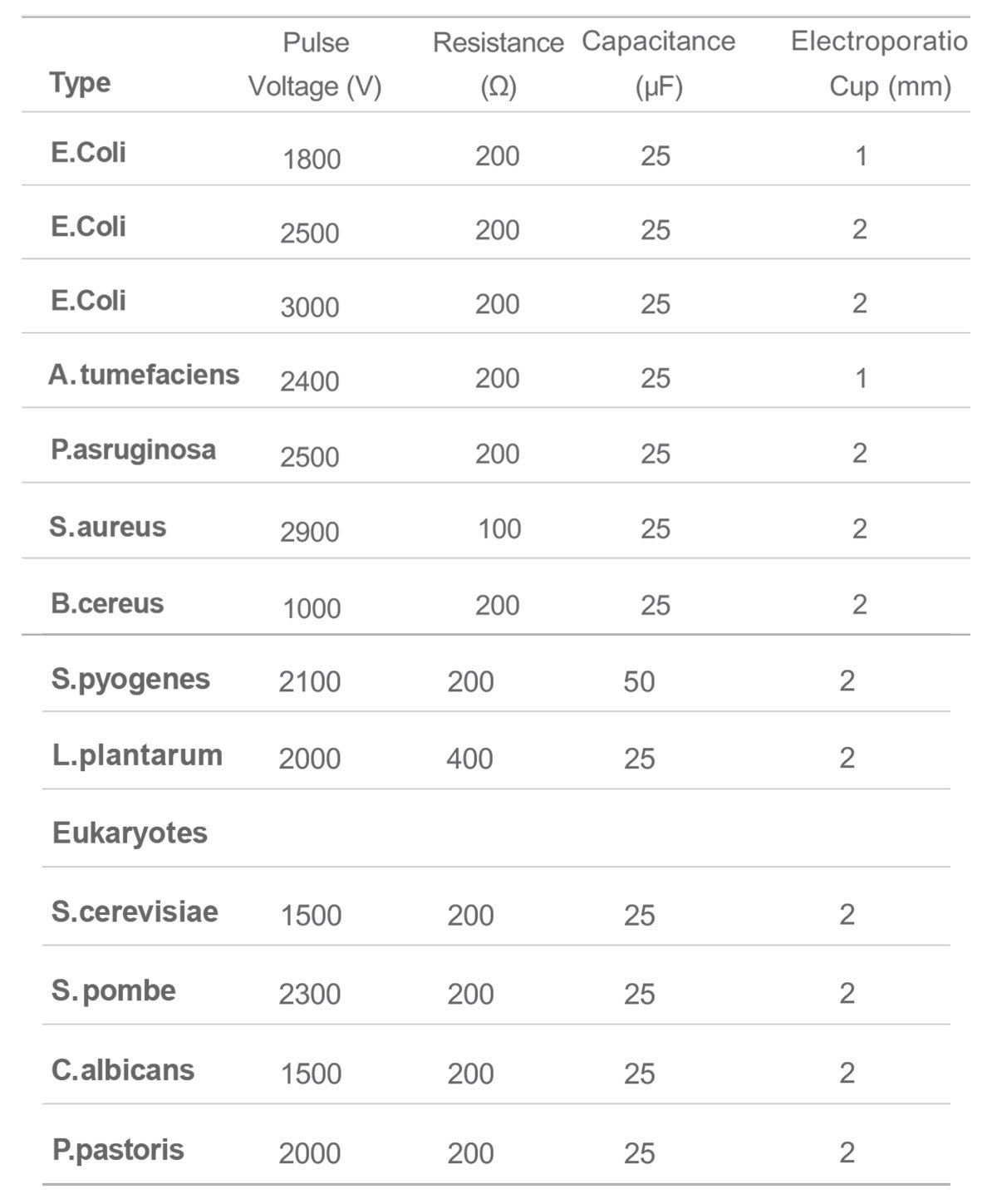
Nota: Devido a variações nas condições experimentais em diferentes laboratórios, os parâmetros acima são apenas para referência.
Exemplos de experiências
1. LIJ, ZHANG S, GAO L, et al. Um ensaio de alto rendimento baseado em células para a triagem de inibidores de moléculas pequenas da interação p53-MDM2 [J]. Journal of biomolecular screening, 2011.
2 、 ZHANG SY, LIJ, XIE X. Descoberta e caraterização de novos agonistas de pequenas moléculas do recetor 119 acoplado à proteína G [J]. Ata farmacológica Sinica, 2014.
