Product: SCIENTZ-2CS Gene Electroporator
Products
- Chinical Analytical Instruments
- Biochemistry Analyzer
- Biochemistry Reagent
- ELISA Equipment
- ELISA Kit
- ESR Analyzer
- Coagulation Analyzer
- Hematology Analyzer
- Urine Analyzer
- Electrolyte Analyzer
- Blood Gas Electrolyte Analyzer
- Nucleic Acid Extractor
- Nucleic Acid Extraction Reagent
- Rapid Test Kit
- Automatic Chemiluminescence Immunoassay System
- Air Protection Product
- Automatic cage cleaning machine
- Biological Safety Cabinet
- Laminar Flow Cabinet
- Fume Hood
- Mobile Fume Extractor
- Fan Filter Unit
- Clean Booth
- Dispensing Booth
- Pathology Workstation
- Chicken Isolator
- Air Purifier
- Air Shower
- Pass Box
- Animal Cage Changing Station
- Animal Litter Workstation
- PP Environment-friendly Product
- Laboratory And Medical Cryogenic Equipments
- Disinfection And Sterilization Equipments
- Class N Autoclave
- Class B Autoclave
- Class S Autoclave
- Cassette Sterilizer
- Portable Autoclave
- Vertical Autoclave
- Horizontal Autoclave
- Hot Air Sterilizer
- Gas Sterilizer
- Glass Bead Sterilizer
- Atomizing Disinfection Robot
- Ozone UV Sterilization Cabinet
- UV Plasma Air Sterilizer
- Washer Disinfector
- UV Lamp
- Laboratory Incubator
- Drying Oven
- Centrifuge
- Centrifuge
- Laboratory Analysis Equipments
- Laboratory Balance
- Carbon And Sulfur Analyzer
- COD Analyzer
- Water Activity Meter
- Colorimeter
- Cooking Oil Tester
- Densimeter
- Fat Analyzer
- Fiber Analyzer
- Flash Point Tester
- Melting Point Apparatus
- Grain Moisture Meter
- PH Meter
- Titrator
- Portable Chlorophyll Meter
- Leaf Area Meter
- Turbidimeter
- Viscometer
- Soil Nutrient Tester
- Automobile Exhaust Analyzer
- Leakage Tester
- Kjeldahl Apparatus
- Gas Chromatograph
- High Performance Liquid Chromatography
- Plant Photosynthesis Meter
- Plant Analysis Instrument
- Soil Testing Instrument
- Blood Bank Instruments
- Optical Instruments
- Pathology Lab Equipments
- Pharmacy Instruments
- Pre-Processing Of Bio-Samples
- Liquid Processing Instruments
- Molecular Laboratory Equipments
- Microbiological Laboratory Instruments
- Medical Equipments
- Medical Consumables
- Laboratory Solid Processing Equipments
- Other Lab Equipments
- Dehumidifier
- AST-Camping tent
- Automatic Medical Sealer
- Gas Generator
- Jacketed Glass Reactor
- Jar Tester
- Mouse Cage
- Peristaltic Pump
- Vacuum Pump
- Safety Storage Cabinet
- Ultrasonic Cleaner
- Water Distiller
- Water Purifier
- Shaker
- Stirrer
- laboratory furniture
- Liquid Nitrogen Tank
- Cleanroom Panels
- High Frequency Heat Sealer
- New Products
- Rehabilitation Products
- Neonatal Care Products
Contact Information
- +8613188932181
- info@ansenta.com
Book Appointment
Ansenta would like to establish win-win business cooperation with distributors all over the world.
SCIENTZ-2CS Gene Electroporator
Brand:ANSENTA
Product Origin:CHINA
Delivery time:Within 7 days
Supply capacity:Factory Direct Supply
Model:SCIENTZ-2CS Gene Electroporator
Introduction:
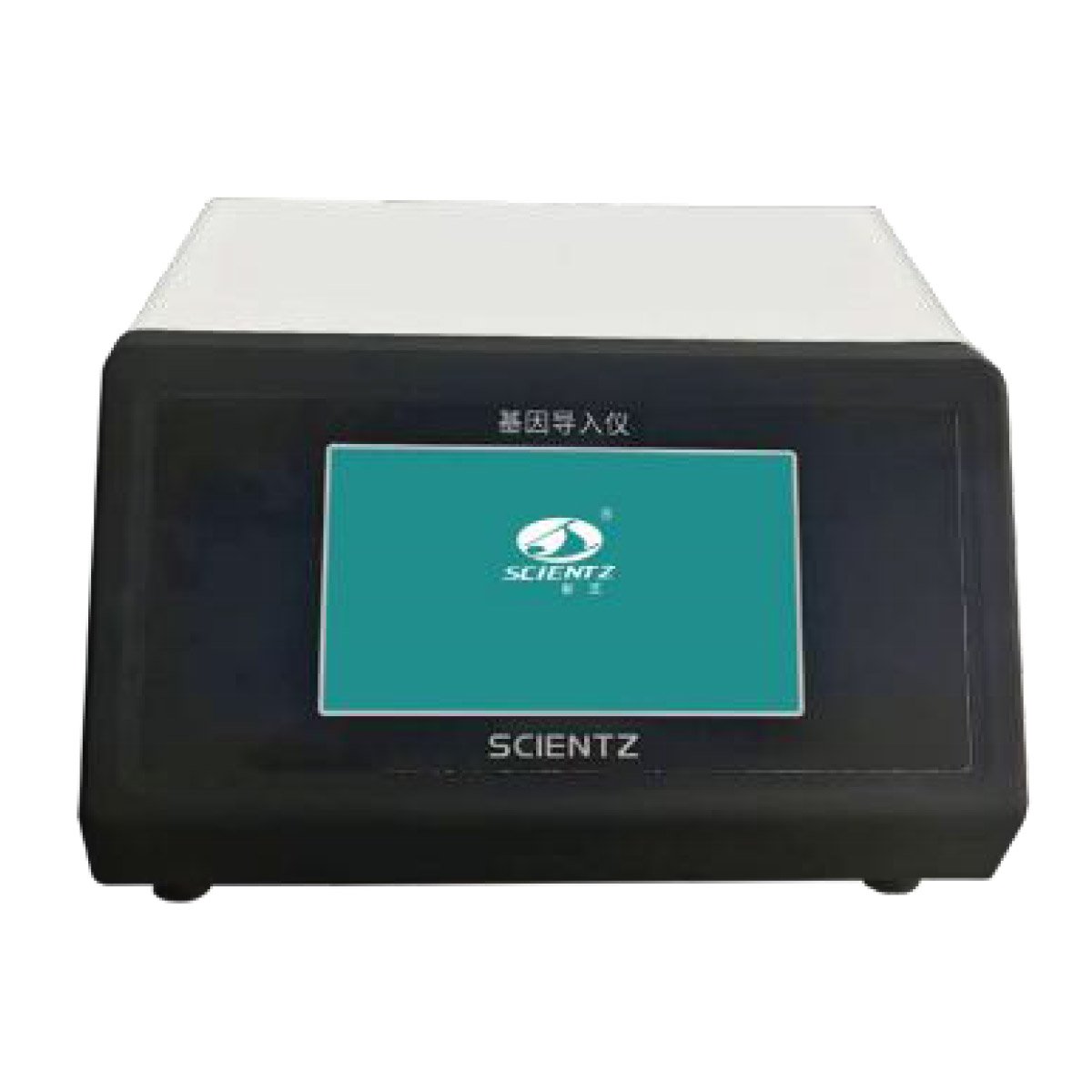
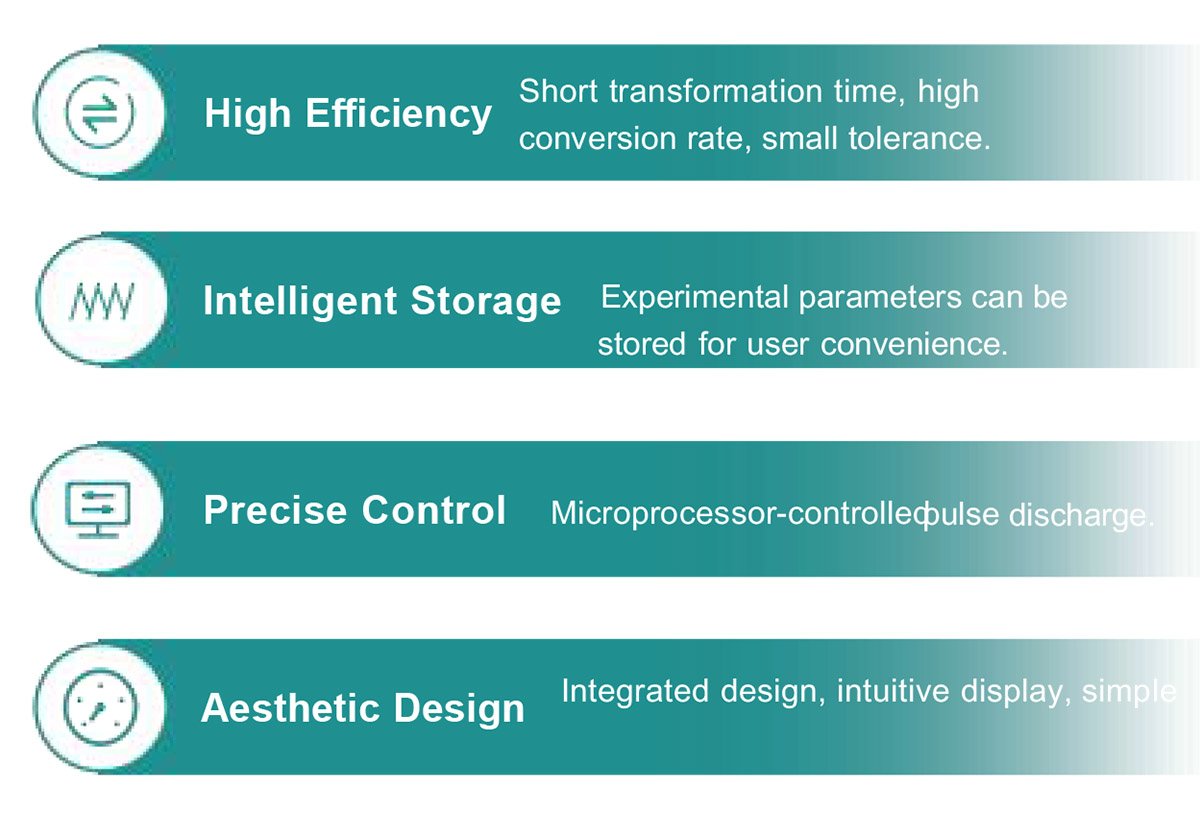
The SCIENTZ-2CS Gene Electroporator consists of the main unit, gene electroporation cup, and dedicated connecting cables. It primarily uses electroporation to introduce DNA into competent cells, plant and animal cells, and yeast cells. Compared to other methods, the gene electroporator offers high repeatability, high efficiency, ease of operation, and precise control. Additionally, electroporation has no genotoxicity, making it an essential technique in molecular biology.
Download:
SCIENTZ-2CS Gene Electroporator
Products Detail
Product Description
The SCIENTZ-2CS Gene Electroporator consists of the main unit, gene electroporation cup, and dedicated connecting cables. It primarily uses electroporation to introduce DNA into competent cells, plant and animal cells, and yeast cells. Compared to other methods, the gene electroporator offers high repeatability, high efficiency, ease of operation, and precise control. Additionally, electroporation has no genotoxicity, making it an essential technique in molecular biology.
Working Principle
Electroporation, also known as cellular electroporation, is a key method for introducing exogenous macromolecules like DNA, RNA, siRNA, and proteins, as well as small molecules, into cells.
Under the influence of a transient strong electric field, the cell membrane becomes permeable, allowing charged exogenous substances to enter the cell in a manner similar to electrophoresis. Due to the high resistance of the cell membrane’s phospholipid bilayer, the voltage across the cell is mostly borne by the membrane, with minimal voltage in the cytoplasm. This leads to negligible cytotoxicity during electroporation under normal conditions. Once DNA or other substances pass through the membrane, they stay near the membrane before the cell’s mecha- nisms transport them to the nucleus or other parts of the cell.
Since electroporation relies on physical methods, the molecular characteristics on the cell surface have minimal effect on the process. Unlike chemical transfection or viral vector methods, electroporation can be applied to all cell types and is easily quantifiable.
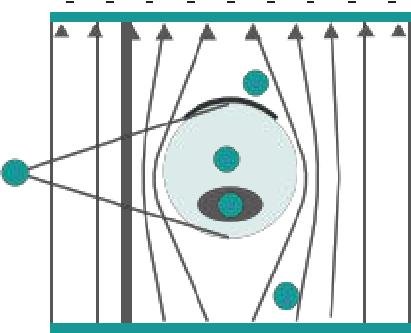
Cell Electroporation Electric Field Diagram
1 The cell membrane acts as an insulator, causing the electric current in the electroporation fluid near the cell to distort.
2 In a series circuit, the larger the resistance, the higher the voltage; most of the voltage is borne by the cell membrane.
3 Only one end of the cell is effectively electroporated.
4 The voltage in the cytoplasm is minimal; DNA halts at the membrane after electroporation and slowly diffuses into the cell via cellular mechanisms.
5 The voltage at the nuclear membrane is extremely low, with no voltage inside the nucleus, resulting in no genotoxicity during electroporation.
Features

Application

- Electroporation of bacteria, yeast, and other microorganisms.
- Transfection of mammalian cells, plant tissues, and protoplasts.
- Cell hybridization and gene fusion.
- Introduction of marker genes for labeling and indicating purposes.
- Introduction of drugs, proteins, antibodies, and other molecules for studying cellular structure and function.
Technical Parameters
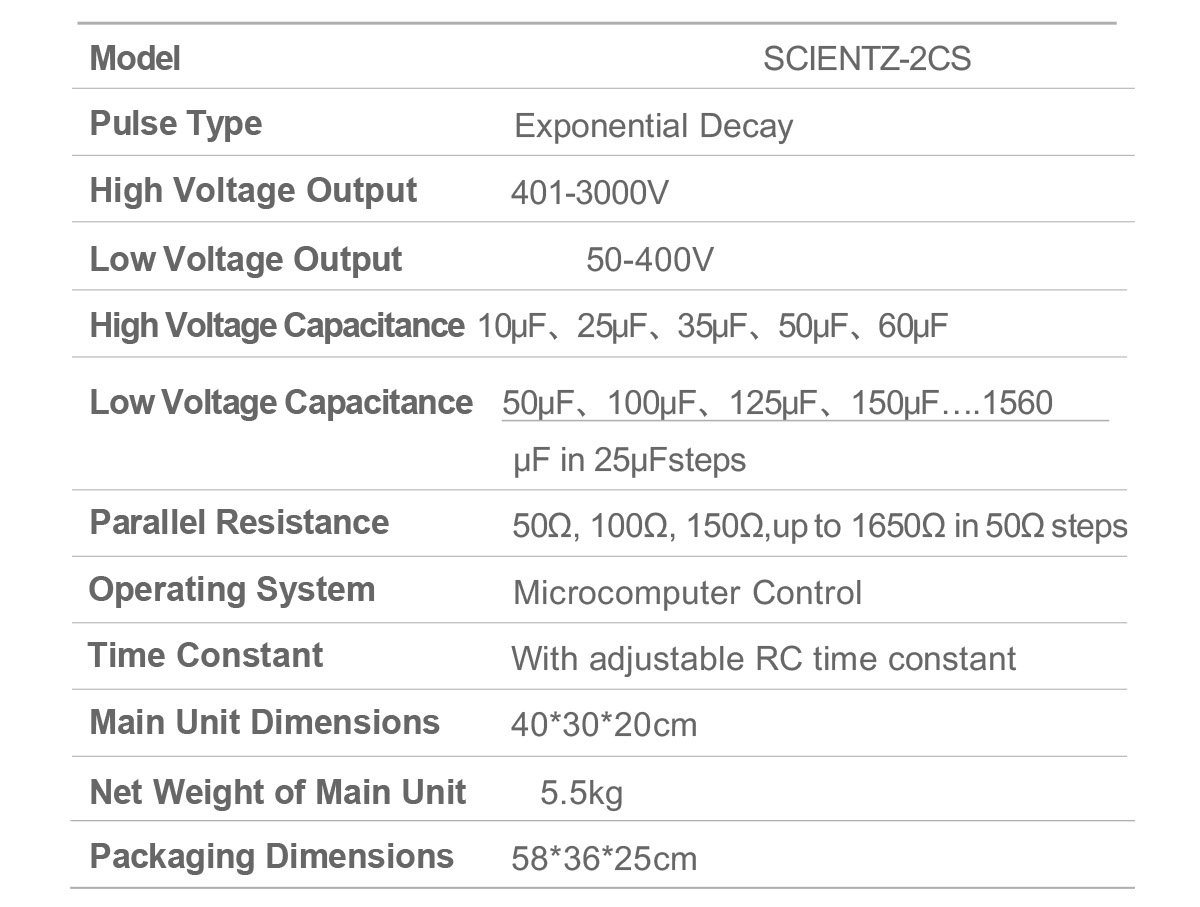
Conversion Rates for Different Strains
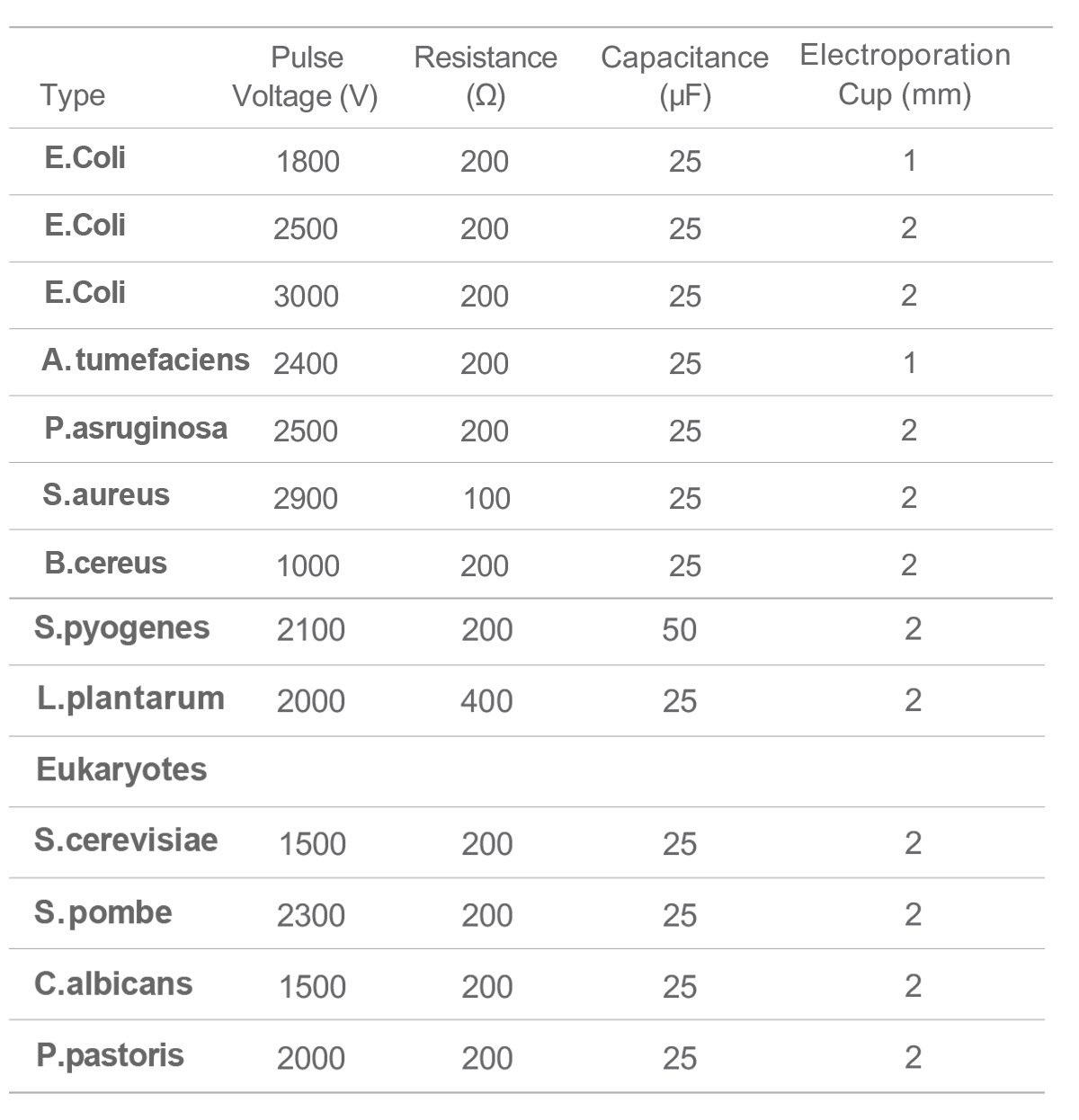
Note: Due to variations in experimental conditions across different labs,the above parameters are for reference only.
Example Experiments
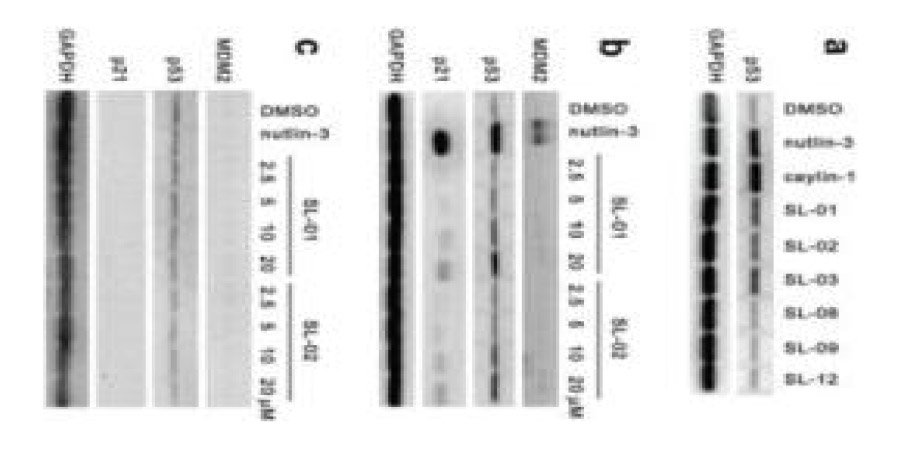
1、 LIJ, ZHANG S, GAO L, et al. A cell-based high-throughput assay for the screening of small-molecule inhibitors of p53- MDM2 interaction [J]. Journal of biomolecular screening, 2011.
2、ZHANG SY, LIJ, XIE X. Discovery and characterization of novel small molecule agonists of G protein-coupled receptor 119 [J]. Acta pharmacologica Sinica, 2014.
1、LIJ and colleagues analyzed the small molecule inhibitors of p53-MDM2 protein interactions based on high-through-put screening.
2、ZHANG SY and colleagues discovered and identified aunique G-protein-coupled receptor 119 agonist.